Nvidia Releases Full Code for Run:ai GPU Orchestrator
Nvidia published the code for its 2024 acquisition, enabling GPU partitioning and team quotas. Neoclouds like Nebius and Crusoe already integrate the open version.
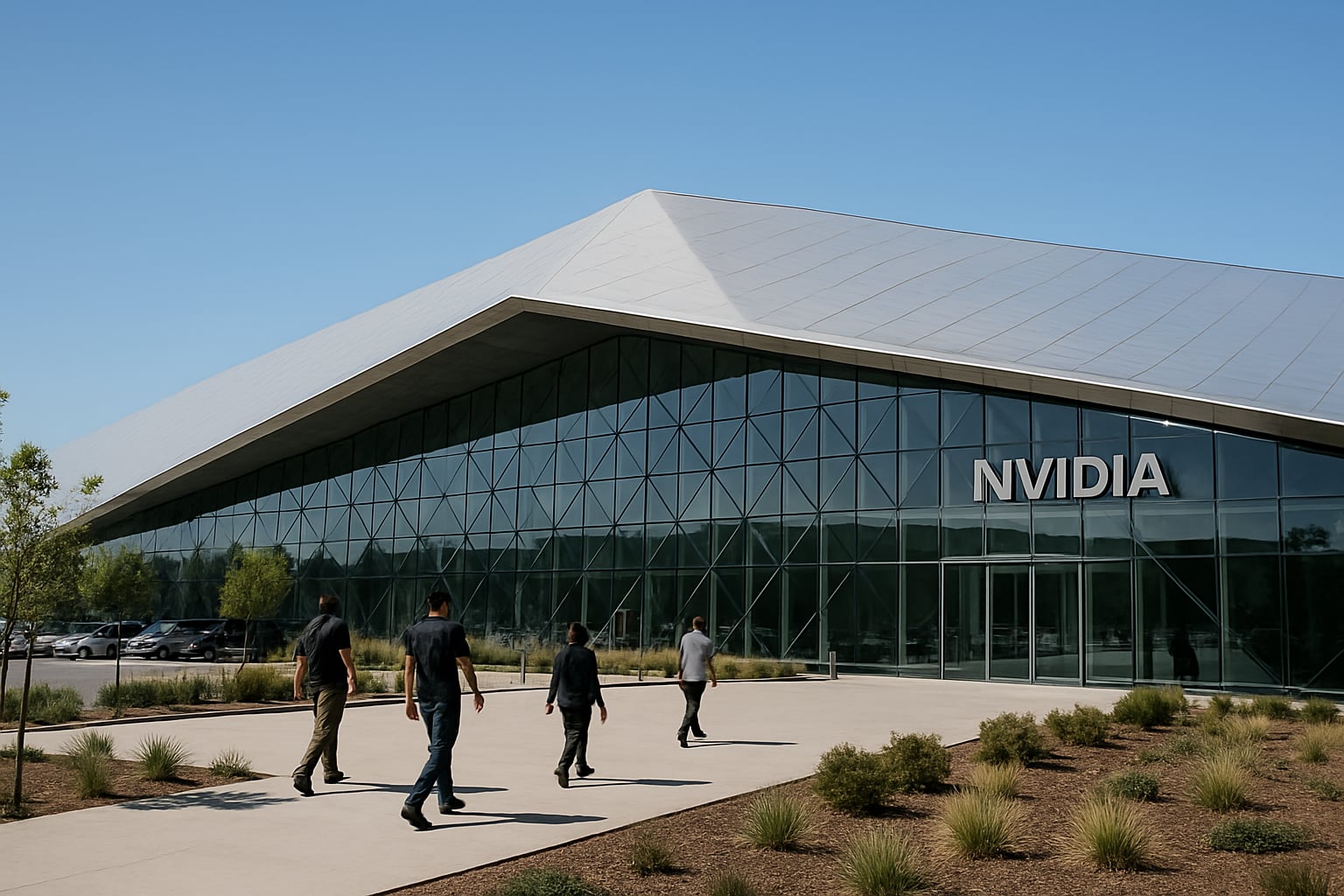
Nvidia released the full source code for Run:ai on Tuesday (13), the GPU orchestration platform it acquired from the Israeli startup with the same name at the end of 2024. The code is available in a repository of the NVIDIA DSX AI Factory organization on GitHub, and the company framed this openness as part of the DSX platform, its reference set for those building and operating "AI factories."
What Was Released
The platform comes in four separate modules: the KAI Scheduler, which schedules workloads on Kubernetes taking into account the GPUs; the GPU Fractioning Operator, which slices a physical card for multiple tasks; the KAI Resource Management, responsible for quotas and hierarchies per team; and the Workload Map, which standardizes how workloads are described and managed.
Some of this was already public. The KAI Scheduler has been under Apache 2.0 license since April 2025 and has been accepted as a sandbox project by the Cloud Native Computing Foundation. The new element is the remainder, especially GPU fractioning and quota management, which were the commercial core of the product. According to coverage from HPCwire and Blockchain.News, the version distributed as a community product in Nvidia's NGC catalog does not require a paid subscription for Run:ai. Those needing a service level agreement still have a supported version sold within the company’s enterprise offerings.
This openness fulfills a long-standing promise. According to the Israeli site Calcalist, the founders of Run:ai had committed to opening the code when the sale to Nvidia was completed.
Why Nvidia Forfeits the License
The economic argument is straightforward. The bottleneck for those operating AI clusters is rarely the lack of installed GPUs: it’s their idleness. A dedicated data center GPU allocated to a team running a small experiment sits idle most of the time, and fractioning, group scheduling, and team quotas exist precisely to increase that utilization rate. By distributing the layer that better utilizes each card, Nvidia reduces friction for more companies to build their own clusters, while all of them continue purchasing the hardware.
The counterpoint is equally concrete. The fractioning operator is described by Nvidia itself as CUDA-native, meaning that the most valuable piece of the package ties the customer to the company’s hardware. Open code here does not equate to vendor neutrality. A team running AMD accelerators or proprietary cloud chips, like Google’s TPUs, gains little from the announcement beyond the scheduler, which was already available.
Who Benefits
The most immediate effect is on so-called neoclouds, providers specializing in renting GPU capacity. Amsterdam-based Nebius has already announced the offering of open Run:ai in its application catalog. American companies Crusoe, Rafay, and Saturn Cloud are also among the partners integrating the platform, with Spanish OpenNebula Systems appearing on the list released by Nvidia. For these providers, who previously resold or competed with a proprietary tool, the opening eliminates licensing costs and commercial dependency.
In Europe, this move aligns with the demand for sovereign clouds. Governments and companies wanting to operate their own clusters, without relying on an American hyperscaler, now have access to a mature orchestration layer without negotiating a license with Nvidia, even though they remain tied to the company’s GPUs.
For integrators and consultancies building AI platforms for corporate clients, the change alters the commercial proposition. Projects that previously included licensing for Run:ai in the budget can now treat it as a free component, shifting the value to integration, operations, and support. Banks, insurers, and governments running their own clusters in India, Brazil, or the Middle East now have a software cost-free alternative to partition GPUs among teams.
What Remains Unclear
Nvidia did not detail, in the material released, the license that covers the entire platform beyond the Apache 2.0 for the scheduler, and the difference is significant: a permissive license allows competitors to adapt the code to other accelerators, while a restrictive one limits this. It is also unclear how much revenue from Run:ai the company is forgoing, as Nvidia has never disclosed the unit's revenue separately. The signal to customers is that the competition among AI infrastructure suppliers has shifted from orchestration software, which is now free, to the layer of hardware and managed services running on top.
Sources
- developer.nvidia.comhttps://developer.nvidia.com/blog/nvidia-runai-is-now-open-source-as-part-of-nvidia-dsx-ai-factory-platform/
- hpcwire.comhttps://www.hpcwire.com/aiwire/2026/10/13/nvidia-open-sources-full-runai-platform-for-gpu-orchestration/
- nebius.comhttps://nebius.com/blog/posts/nvidia-run-ai-open-source-nebius-applications
- calcalistech.comhttps://www.calcalistech.com/ctechnews/article/jqdtr2997
- blockchain.newshttps://blockchain.news/news/nvidia-releases-runai-gpu-orchestration-platform-open-source