TPG and Corpay to Acquire BILL for $6 Billion
BILL agrees to be acquired by TPG for $63.25 per share, a 31% premium. Corpay invests $1.1 billion for one-third of the equity with an option to acquire the rest in 2030.
BILL Holdings, an American platform for accounts payable and receivable for small and medium-sized enterprises, has agreed to be acquired by the investment firm TPG, with Corpay as a minority partner, for $63.25 per share in cash. The deal, announced on Thursday (November 19), values the company at approximately $6 billion on a fully diluted basis and marks the end of the company's tenure on the New York Stock Exchange.
The price includes a 31% premium over the volume-weighted average price of the last 60 trading sessions as of November 16, the last full trading day before media reports surfaced regarding the discussions, according to the BILL statement. The closing is expected in the first half of 2027 and is subject to shareholder and regulatory approval. René Lacerte, founder, will continue as CEO.
The Structure Corpay Has Tested
TPG will retain control through the TPG Capital fund. Corpay is contributing $1.1 billion for about one-third of the equity and, according to the company's CFO, has the option to purchase the remaining stake in 2030. The company states that the deal is expected to boost its cash earnings per share by 2027.
The arrangement mirrors the acquisition of AvidXchange in 2025, when TPG took the direct competitor to BILL private and Corpay paid $500 million for a 33% stake, also with an option to acquire the remaining equity later. In less than two years, Corpay has built a significant position in two American accounts payable automation platforms that were publicly traded, without consolidating either in its balance sheet.
Ron Clarke, CEO of Corpay, presented the transaction as another step in the relationship with TPG and as an opportunity to invest in another significant corporate payments business complementary to its own. The market's interpretation is more straightforward: Corpay is securing the right to decide in 2030, closely monitoring the deal, whether it wants to purchase the rest.
Why Exit the Stock Market Now
BILL is at the heart of the question dominating the sector this year: how much is a workflow tool worth when AI agents promise to read invoices, reconcile payments, and approve transfers without an analyst opening the system? Outside of the stock market, TPG can invest in this transition without needing to report quarterly on margins. Oppenheimer downgraded the stock to market perform shortly after the announcement, a typical move when the offer price begins to anchor the valuation.
The metric of interest to the buyer is not the number of users, but the volume of payments processed through the platform, for which BILL charges a fee. This aligns with Corpay's thesis: the company makes money from financial flow, not from licenses, and thus has less to lose if the traditional interface shrinks.
The Same Owner in São Paulo and New York
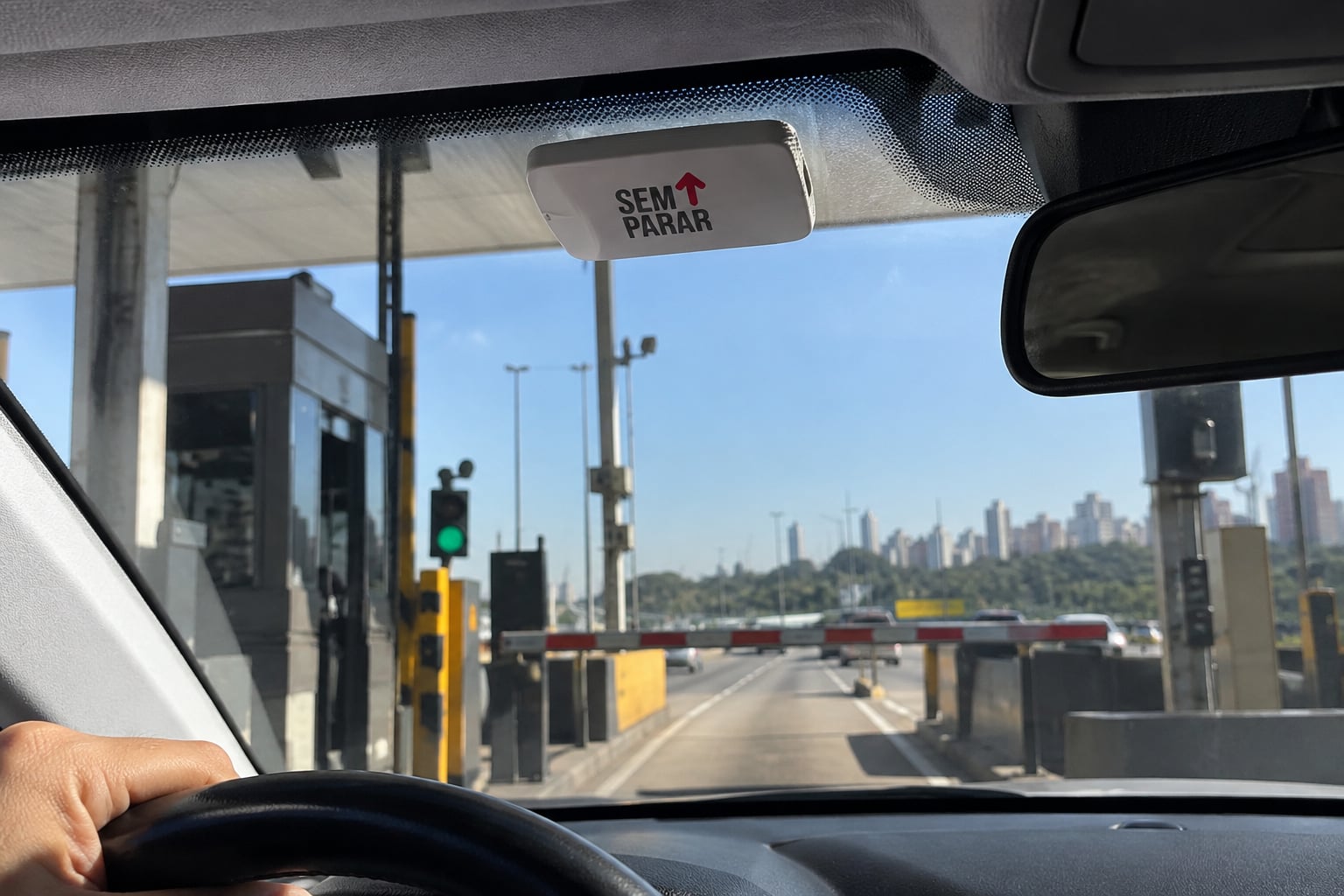
The Brazilian channel is concrete. Corpay, then named FleetCor, acquired STP, owner of the Sem Parar brand, in 2016 for R$ 4.086 billion, approximately $1.1 billion at that time. Sem Parar has received authorization from the Central Bank this year to operate as a payment institution and has been expanding its offerings for drivers and companies with acquisitions like Zapay and Gringo. The corporate payment automation experience that Corpay has accumulated in the U.S., now with privileged access to two accounts payable platforms, is precisely the type of capability that a licensed payment institution in Brazil can bring to the small and medium enterprise segment, where Pix has already reduced transfer costs and shifted competition to reconciliation and credit.
In the U.S., the transaction closes a cycle. With AvidXchange and BILL off the stock market, public investors lose two direct references for valuation in the small business financial automation space, and the sector will now be priced by private transactions. For listed competitors and startups that intended to go public, the reference is now a 31% premium in a deal where the strategic buyer only decides to pay the full price in four years.
Corpay has not yet disclosed whether it intends to integrate BILL and AvidXchange should it exercise both options. If it does, it will have acquired them gradually, with the funds from a single investment, something it would hardly achieve in one buyout.
Sources
- investor.bill.comhttps://investor.bill.com/news/news-details/2026/BILL-Agrees-to-be-Acquired-by-TPG-in-Partnership-with-Corpay/default.aspx
- tpg.comhttps://www.tpg.com/news-and-insights/bill-agrees-to-be-acquired-by-tpg-in-partnership-with-corpay
- investor.corpay.comhttps://investor.corpay.com/news-releases/news-release-details/corpay-invests-alongside-tpg-acquire-bill
- investing.comhttps://www.investing.com/news/company-news/corpay-to-invest-11b-in-bill-as-part-of-takeprivate-deal-93CH-5040279
- automotive-fleet.comhttps://www.automotive-fleet.com/news/fleetcor-to-buy-brazilian-toll-payment-firm
- finsidersbrasil.com.brhttps://finsidersbrasil.com.br/regulamentacao/sem-parar-recebe-sinal-verde-do-bc-para-operar-como-ip