US and Allies Sign Pact to Safeguard AI Supply Chain
The San Francisco Declaration, signed on November 15, establishes a critical AI technology inventory to defend against China. India, Japan, and South Korea have joined; Europe is expected to sign later.
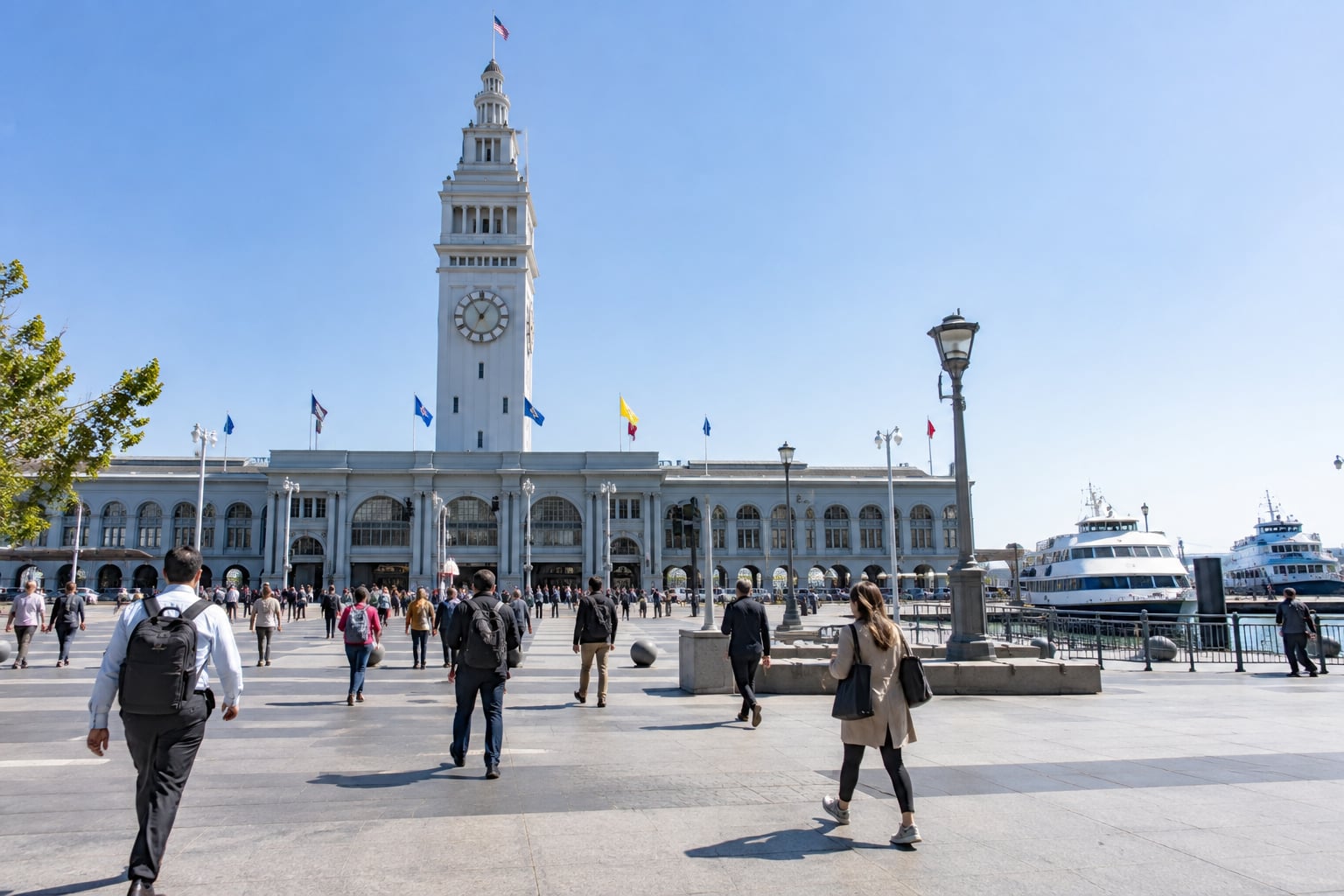
The United States and a group of partners signed the "San Francisco Declaration on the Secure Foundations of Enduring Prosperity" on Sunday, November 15, in San Francisco, according to a statement from the State Department. The text establishes a joint list of critical technologies and supply chains related to artificial intelligence that the signatories commit to protect from Chinese influence. The signing took place during the Pax Silica Founders Retreat, convened by Jacob Helberg, Under Secretary of State for Economic Affairs.
Japan, Australia, Israel, the United Kingdom, South Korea, India, Qatar, and the United Arab Emirates appear as signatories in multiple reports. The State Department's list also includes Singapore, bringing the total to nine partners besides the U.S. According to Helberg, Germany, Sweden, the Netherlands, and the European Commission are expected to sign in the following week.
From Letter of Intent to Inventory
Pax Silica was launched in December 2025 as a non-binding political declaration, without the force of a treaty or trade agreement. The new development on Sunday is operational: instead of vague objectives regarding "coercive dependencies," countries commit to compiling a common inventory of what needs protection. In the Financial Times' reading of the text, the initiative shifts from a shared vision to a shared list.
The signing occurs days before the meeting between Donald Trump and Xi Jinping at the APEC summit, giving Washington a bloc of aligned countries to bring to the table. The declaration does not introduce tariffs, quotas, or sanctions. Its utility lies in standardizing what each government considers sensitive, which is typically the first step before coordinated investment and export rules.
The Market Already Acting as if the List Exists
The week provided two examples of how geopolitical criteria have already influenced capital allocation in AI. According to Bloomberg, banks in the Anthropic IPO syndicate rejected orders from institutional investors in mainland China and Hong Kong or warned that allocations were unlikely. The prospectus does not prohibit investors from any country, and Anthropic declined to comment. The offering, led by Goldman Sachs and Morgan Stanley, has an indicative range of $70 to $78 per share, according to the amended S-1.
On the same day as the declaration, Treasury Secretary Scott Bessent gave Nvidia 10 days to respond regarding compliance with export controls and about shell companies that allegedly diverted chips to China, according to CNBC and Bloomberg. Nvidia had not publicly commented on the request by the time this article was published.
Who Benefits and Who Remains Exposed
For India, the signing carries more weight than for the traditional U.S. allies. The country hosts a significant proportion of global banking and technology capacity centers and has been attempting to attract semiconductor manufacturing. Joining the common inventory positions New Delhi on the inside when investment criteria are defined, and the Indian press has treated the accession as headline news.
South Korea and Japan bring what the list is likely to protect most: memory, chips, and equipment. Qatar and the UAE contribute capital and energy for data centers, two variables that AI consumes at scale. Taiwan, home to most of the world's advanced chip manufacturing, is not listed among the mentioned signatories. This represents the largest geographical gap in the inventory.
Europe remains the pending link. If Germany, the Netherlands, and the Commission sign as Helberg announced, the list will reach the home of ASML and the lithography equipment chain, and the issue enters the same debate that Brussels is still calibrating in implementing the AI Act. The Commission would be the only signatory that is not a national state, providing the list with a direct channel to the bloc's trade policy.
For Brazil and the rest of Latin America, absent from the list, the consequence is indirect but tangible. Data center and sovereign cloud projects that depend on American chips are likely to face inquiries regarding capital origin and supply chain similar to those that the Anthropic IPO banks posed to investors from Hong Kong. Those who structure these projects, from hyperscalers to infrastructure consultancies, will need to demonstrate where each component stands on the list before presenting the price.
Sources
- state.govhttps://www.state.gov/releases/office-of-the-spokesman/2026/11/the-san-francisco-declaration-on-the-secure-foundations-of-enduring-prosperity
- business-standard.comhttps://www.business-standard.com/world-news/india-signs-us-led-pax-silica-declaration-to-secure-ai-supply-chains-126111600037_1.html
- outlookindia.comhttps://www.outlookindia.com/international/india-joins-us-led-san-francisco-declaration-to-secure-ai-supply-chains-amid-china-rivalry
- tipranks.comhttps://www.tipranks.com/news/the-fly/us-allies-agree-to-protect-ai-supply-chains-from-china-ft-says-thefly-news
- the-decoder.comhttps://the-decoder.com/banks-bar-chinese-and-hong-kong-investors-from-anthropic-ipo-over-us-export-controls/
- cnbc.comhttps://www.cnbc.com/2026/11/15/bessent-nvidia-ceo-lutnick-megaspeed.html