DeepSeek Releases V4.1-Flash-1017 Weights and Paid API
DeepSeek has launched an MIT-licensed version of V4.1-Flash, charging $1.20 per million output tokens at peak times and $0.75 per thousand calls for agents.
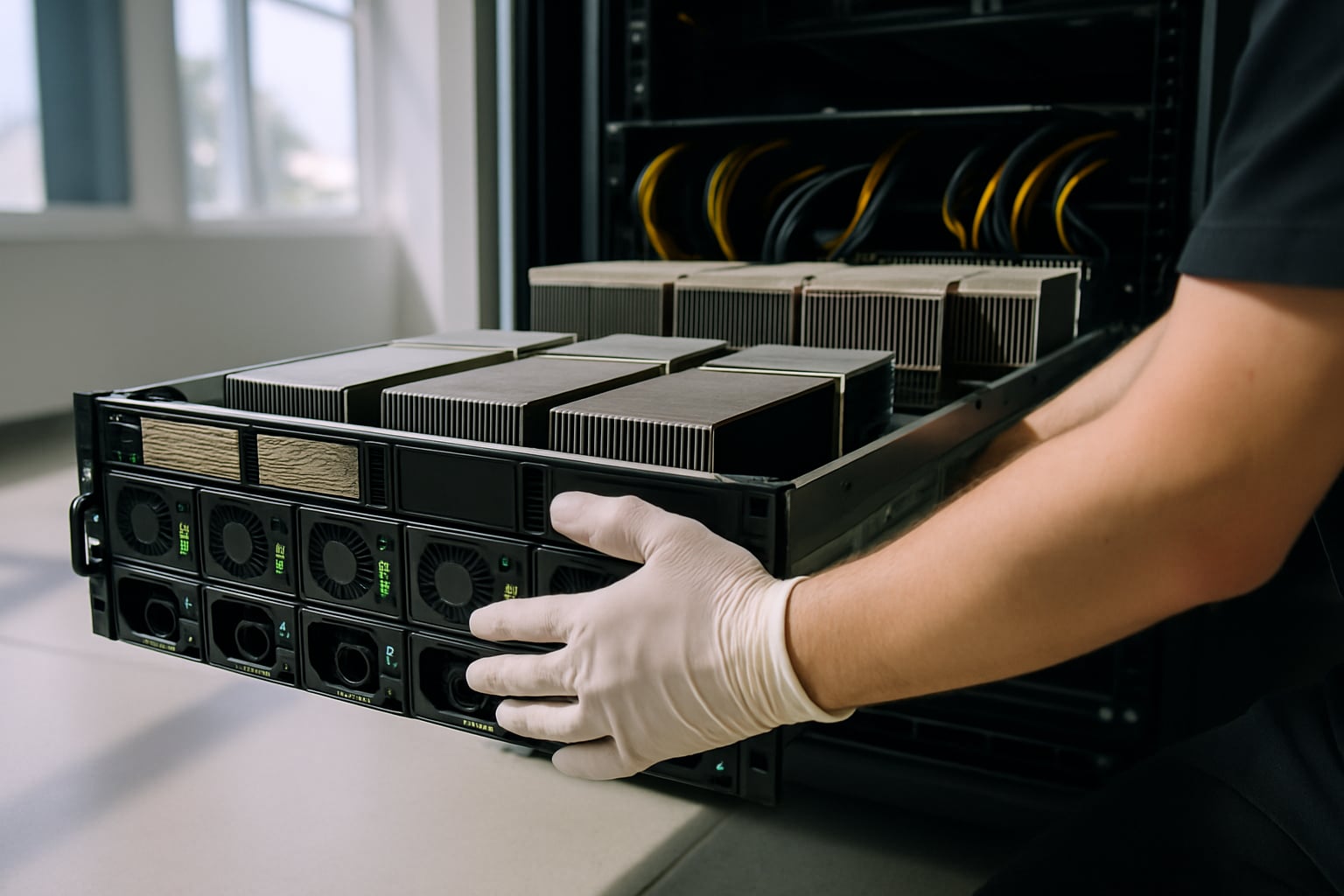
On October 17, DeepSeek released the weights for DeepSeek-V4.1-Flash-1017 under the MIT license on Hugging Face and ModelScope. This version is an update to V4.1-Flash rather than a new generation. According to the company's announcement on X, the model boasts "stronger performance on benchmarks, faster task completion, and shorter responses" compared to the previous version, which DeepSeek describes as a Pareto improvement between performance and cost. The model is already available on the website, app, and API, identified as deepseek-flash.
The numbers repeated by the company and tech media come from DeepSeek's own tables. In Terminal-Bench 4.0, which measures agents operating in command line environments, the score increased from 31.2 to 42.3. In DeepSWE v1.1, the model scored 77.0, according to MarkTechPost and Tech Insider. None of these results had been independently verified by the time this article was published, and scores of models in the V4.1 family have varied significantly among evaluators based on the execution environment used.
Price as the Argument
In the API, DeepSeek charges $0.30 per million input tokens without caching and $1.20 per million output tokens during peak hours, with a 50% discount outside of these times, according to the pricing table from the company that was reproduced by price aggregators. Cached input is priced at $0.006 per million tokens. For comparison, the Gemini 4 Argon, which Google generally released on October 13, charges $2 and $10 at a promotional price until November 30, increasing to $4 and $20 on December 1, according to Google's blog. Currently, Argon costs 8.3 times the peak price of DeepSeek for output; starting in December, this will rise to 16.7 times.
The token comparison is misleading in a direction favoring DeepSeek: shorter responses lower the task cost beyond the price table difference. It is also misleading in the other direction. Frontier models solve tasks in one attempt that smaller models get wrong, and every new attempt by an agent consumes tokens again.
The launch also introduced a new revenue stream. DeepSeek opened its Search and Fetch APIs at $0.75 per thousand successful calls, each limited to five requests per second per account. Calls made by server tools in DeepSeek Harness, Claude Code, and Codex are free until October 31 at 16:00 UTC, when billing begins, according to the company. This marks DeepSeek transitioning to charging for the search layer that feeds agents, not just for the model, aligning itself with the tools of American competitors.
How the Decision Changes by Market
In the United States, the cost argument runs into governance issues. On February 23, Anthropic accused DeepSeek, Moonshot, and MiniMax of distilling Claude; in DeepSeek's case, the accusation involved over 150,000 interactions, according to Anthropic’s report. For an American purchasing committee, the model's origin is as important as the spreadsheet, and the audit question becomes where the capabilities being purchased came from.
In Europe, the MIT license changes the conversation. In January 2025, the Italian Garante blocked the DeepSeek application for lack of clarity on data handling, and in June that year, Berlin's Data Protection Commissioner, Meike Kamp, reported the application to Apple and Google as illegal content under the Digital Services Act for transferring personal data to China. Both objections targeted the service hosted in China. Open weights running on proprietary infrastructure in Frankfurt or Milan remove data transfer from the equation, though they do not resolve concerns about the training provenance. The API, where the newly launched search resides, remains subject to the same objections.
In China, the launch measures against domestic peers with open weights, such as Z.ai's GLM and Moonshot's Kimi, and the announced optimization for Tencent's CodeBuddy indicates where DeepSeek is seeking local distribution.
What the CIO Decides
The October 17 update does not change the frontier ranking, nor does DeepSeek claim it will. What it alters is the opportunity cost of running high-volume agents, such as ticket triage, code migration, and pull request review, on models costing $10 to $20 per million output tokens. The calculation that few companies have currently made is how much of their agent traffic truly needs a frontier model and how much is paying frontier prices out of habit.
Sources
- x.comhttps://x.com/deepseek_ai/status/2111375640717033777
- x.comhttps://x.com/deepseek_ai/status/2111375653069259247
- api-docs.deepseek.comhttps://api-docs.deepseek.com/news/news261017/
- marktechpost.comhttps://www.marktechpost.com/2026/10/17/deepseek-just-released-v4-1-flash-1017-scores-77-0-on-deepswe-opens-search-api/
- the-decoder.comhttps://the-decoder.com/deepseek-v4-1-flash-1017-beats-larger-rivals-in-agentic-tasks-while-once-again-massively-cutting-per-task-costs/
- blog.googlehttps://blog.google/innovation-and-ai/models-and-research/gemini-models/gemini-4-argon/
- heise.dehttps://heise.de/-10462419