SAP exceeds €10B in Q3, cloud backlog rises 26%
SAP generated €10.3 billion in Q3, a record, with cloud backlog of €24.1 billion. Cloud ERP now accounts for 89% of cloud revenue, and the ECC migration defines consulting project queues in India and Brazil.
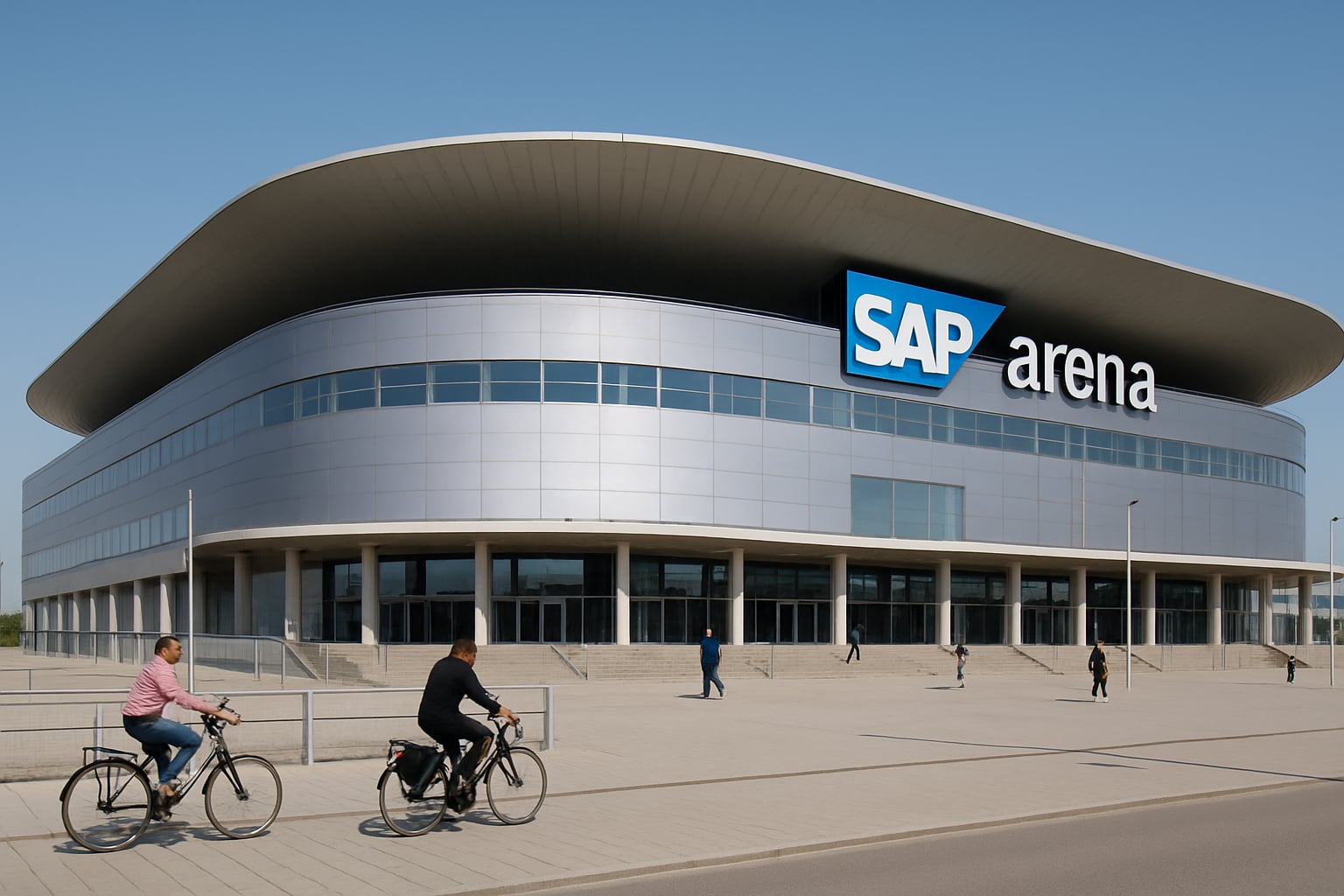
SAP generated €10.3 billion in the third quarter of 2026, up 12% at constant currency, marking the first time it crossed the €10 billion revenue threshold in a single quarter, according to its quarterly statement released on Wednesday (21). The key metric closely watched by the market, the current cloud backlog, reached €24.1 billion, an increase of 26% at constant currency and 28% nominally. ADRs rose 2.3% in after-market trading in New York, reaching $238.09, according to Investing.com.
This outcome arrives at a time when some investors price enterprise software as a victim of AI forces, a thesis dubbed "SaaSpocalypse." CIO.com treated SAP's numbers, alongside IBM and ServiceNow, as a direct test of this narrative. In SAP’s case, the test passed: cloud revenue totaled €6.67 billion, growing by 25% at constant currency.
Cloud ERP drives the revenue
The Cloud ERP Suite, which encompasses the S/4HANA cloud and associated modules, grew by 28% and now represents 89% of SAP's total cloud revenue, according to the company's CFO during the conference call. This concentration is the most relevant information for those selling services on the platform: SAP does not rely on a peripheral AI product for growth; it depends on the migration of clients' transactional core.
This migration has a deadline. The standard maintenance for ECC, the on-premise ERP still operational in many large companies, ends at the end of 2027. Each quarter of backlog above 25% indicates that clients are signing cloud contracts before support ends, rather than afterward.
Cash generation followed suit. The free cash flow for the quarter was €1.718 billion, up 36% from the same period in 2025, and the company maintained its goal of around €10 billion for the year. For cloud revenue, SAP now expects to finish 2026 close to the top of the range of €25.8 billion to €26.2 billion at constant currency.
Concerns tempering the optimistic outlook
The numbers come with caveats, which the company also raised. About 1 percentage point of the 25% growth in cloud revenue came from positive one-off effects, according to a summary by GuruFocus and SAP's statement. Part of the jump also stems from recognizing delayed revenues from clients emerging from financial difficulties, an item that is not repeatable.
The company also warned that it expects a slight slowdown in backlog growth in 2026, citing macroeconomic uncertainty and a previously large base. Those who view the quarter as a definitive proof of immunity to AI ignore these two points; those who see ERP as a doomed category overlook the €1.7 billion in free cash flow from a single quarter.
The distinction often overlooked in this debate is between record-keeping software and interface software. An ERP keeps track of accounting, inventory, and payroll for a multinational; an AI agent needs to read and write to this data to function. SAP bets that the agent enhances the value of the record-keeping system rather than replacing it, and the third quarter provides evidence in favor of this bet, rather than a declaration of it.
Where the figures land
In Germany, the results reinforce SAP as the only European software company with scale comparable to American firms. In the United States, the numbers serve as a benchmark for ServiceNow, which will report its third quarter on October 28 and will be judged by the same backlog criteria.
In India, the impact is felt through major delivery centers of TCS, Infosys, Wipro, and SAP practices of Accenture and Deloitte, which concentrate a large part of the migration teams to S/4HANA. A backlog growing by 26% indicates a queue of conversion projects, and the competition will shift to pricing per project as SAP itself offers tools to automate migration.
In Brazil, SAP maintains one of its development labs in São Leopoldo (RS) and has an installed base that includes major banks, retailers, and industries still operating with ECC. For local consultancies, the 2027 deadline aligns with that of Germany or India, but the delivery capacity is smaller, which tends to push some projects toward hybrid models with offshore centers.
The shared risk across these three markets is the same: if SAP automates a significant portion of the migration with its own agents, the backlog continues to grow while service revenue per client shrinks. The third quarter did not answer this question, and SAP has yet to disclose how much of the conversion is already handled by tools versus consultants.
Sources
- news.sap.comhttps://news.sap.com/2026/10/sap-announces-q3-2026-results/
- sap.comhttps://www.sap.com/docs/download/investors/2026/sap-2026-q3-statement.pdf
- investing.comhttps://www.investing.com/news/transcripts/earnings-call-transcript-sap-tops-q3-2026-estimates-as-cloud-growth-accelerates-93CH-4964320
- gurufocus.comhttps://www.gurufocus.com/news/9135656/sap-se-sap-q3-2026-earnings-call-highlights-revenue-tops-10-billion-for-the-first-time-as-cloud-backlog-surges-26
- cio.comhttps://www.cio.com/article/4202236/earnings-from-sap-servicenow-and-ibm-challenge-the-saaspocalypse-narrative.html