Google's $15B AI Hub in India Uses Air Cooling, Not Water
Amid protests in Visakhapatnam, Google told AFP that the 1 GW hub will use air cooling. The company previously changed technology in Chile after losing part of its permit in 2024.
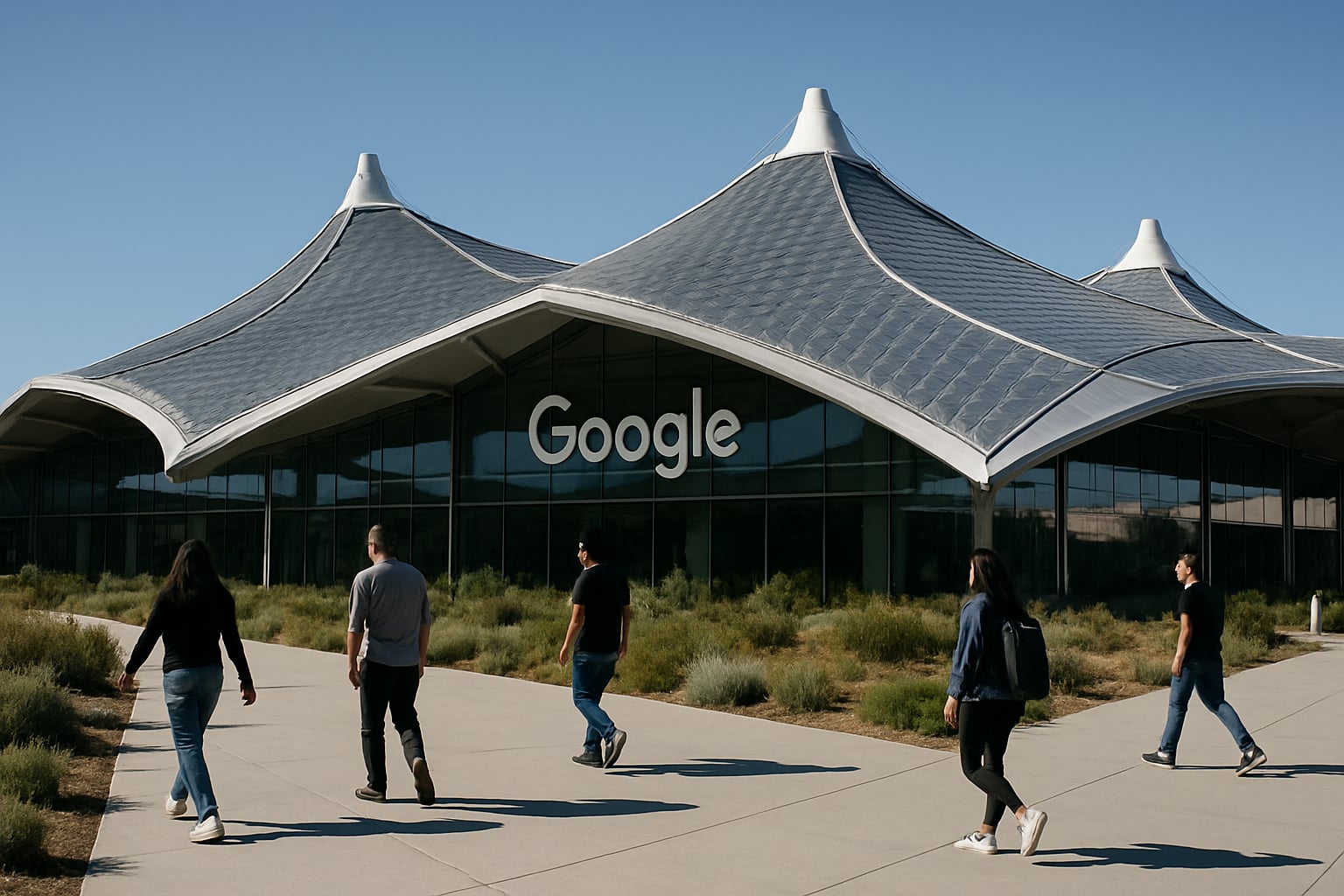
Google has defended its $15 billion artificial intelligence hub being built in Visakhapatnam, Andhra Pradesh, in the face of local protests against water consumption. Alexander Smith, head of infrastructure and energy for Google Asia-Pacific, told AFP on Monday (12) that the complex will use air cooling instead of water-based systems due to pressure on the region's fresh water supply. According to Smith, the choice was a result of a watershed evaluation conducted before the site was finalized.
The project, announced in October 2025, will feature a 1-gigawatt hub constructed in partnership with AdaniConneX, a joint venture with the Adani Group, and Bharti Airtel, which is responsible for the data center and the submarine cable landing station. Smith also indicated that Google plans to fund additional clean energy projects in the city and cover the costs of necessary upgrades to the electrical grid.
What Residents Contest
The opposition extends beyond water concerns. Protesters cite land expropriation, environmental impact, and uncertainty about the actual number of jobs the investment will create. A petition in the Andhra Pradesh High Court questions the environmental permit and land allocation, according to reports, but construction has not been halted thus far. The state government denies that the project has been expedited without considering risks to water and wildlife, asserting that no water intended for rural or residential use will be diverted to data centers.
The number of jobs has become a separate point of contention. Reports vary from a few hundred permanent specialized positions to six-figure estimates that remain unverified by other sources, with the discrepancy between these figures fueling local distrust. A 1-gigawatt data center employs few people once operational; the bulk of job opportunities is in construction, which is temporary.
The Chilean Precedent
Google has encountered a similar situation before. In February 2024, an environmental court in Chile partially reversed the permit for the Cerrillos data center in the Santiago metropolitan region, a project costing around $200 million. The court requested that the company consider the impact of climate change on Santiago’s central aquifer, in a country facing over a decade of drought. In September of that year, Google revised its original design and announced it would implement air cooling at the same site. The initial plan was projected to consume around 7 billion liters of water annually, according to reports from that time.
The similarity with Visakhapatnam is direct: in both cases, the company’s response to local pressure has been to switch cooling technology. The difference lies in the scale. Cerrillos represented a $200 million investment; the Indian hub is valued at 75 times more and is Google’s largest commitment in the country.
The Costs of Air Cooling
Air cooling resolves the water dispute but shifts the pressure onto the electrical grid. Air-based systems consume more energy to dissipate the same heat, especially in the hot and humid climate of Andhra Pradesh's coastline. Not coincidentally, Smith’s commitment includes financing improvements to the grid and additional clean energy, indicating that Google is aware of where future protests may arise.
For those deciding where to place AI capacity, the Indian case illustrates that social license has become a project variable alongside energy, land, and connectivity. In India, the dispute affects one of the government's central strategies to attract hyperscaler data centers. In Chile, the Cerrillos episode forced Google to restart the permitting process, and no new timeline has been announced by the company. In the United States, local resistance to AI data centers has gained sufficient momentum to become a topic for municipal councils. The same calculation is being repeated in any market where large data centers compete for water and energy with growing cities.
The key factor determining the outcome is not in Google's statements but in the Andhra Pradesh court. If the environmental permit is revoked, switching to air cooling will cease to be a voluntary concession and will become a requirement, setting a precedent that will apply to all hyperscalers negotiating land in India.
Sources
- business-standard.comhttps://www.business-standard.com/economy/news/google-defends-15-billion-vizag-ai-hub-amid-water-concerns-protests-126101200341_1.html
- techxplore.comhttps://techxplore.com/news/2026-10-google-backlash-india-center.html
- businessworld.inhttps://www.businessworld.in/article/google-defends-15-bn-vizag-ai-hub-as-water-worries-grow-628118
- datacenterdynamics.comhttps://www.datacenterdynamics.com/en/news/chile-partially-reverses-google-data-center-permit-over-water-use-concerns