CoreWeave raises 2026 revenue forecast to $13.3 billion
Q3 revenue soared 168% to about $3.66 billion, with a $132.5 billion contract backlog. $47 billion debt and customer concentration remain key concerns.
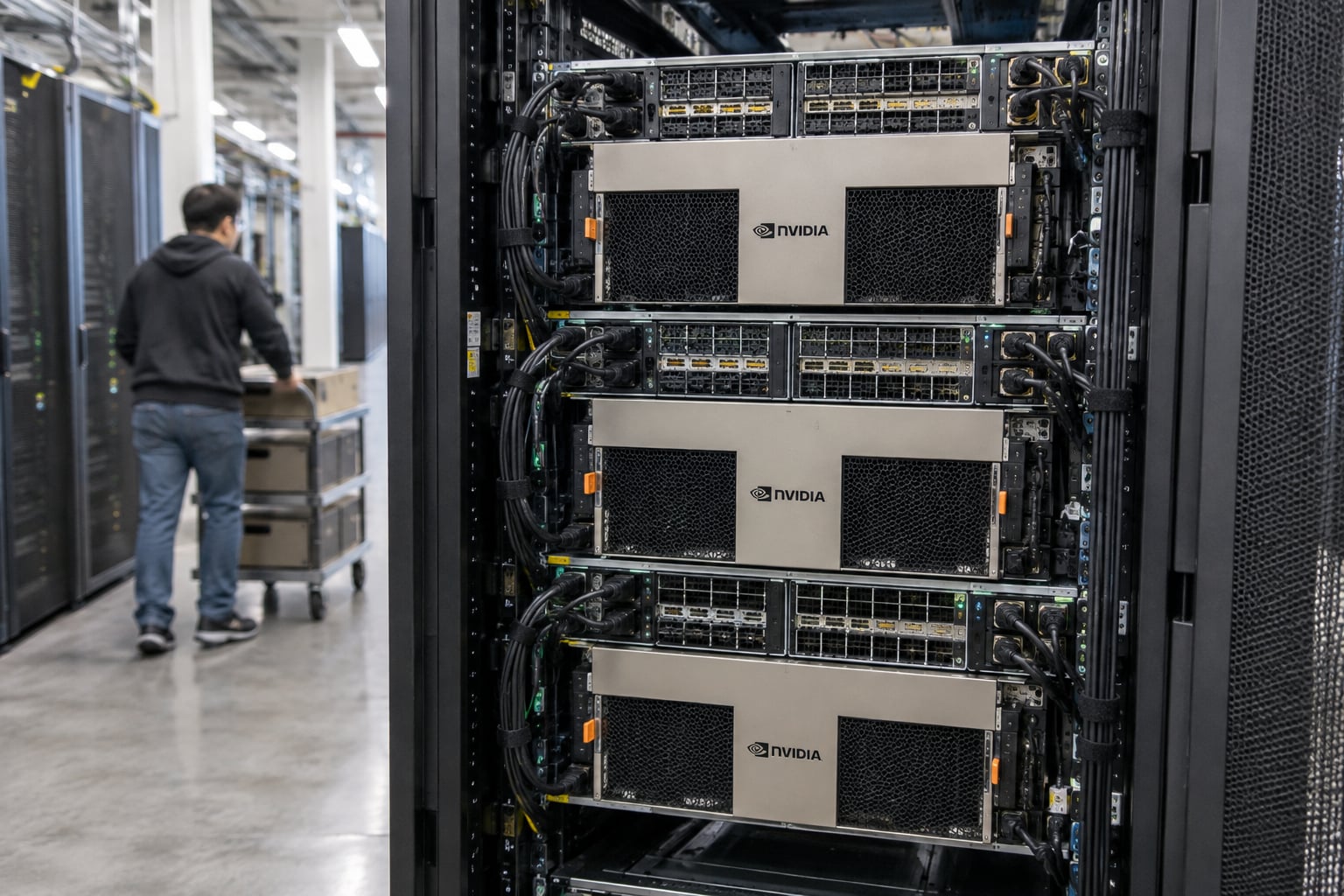
CoreWeave reported on Tuesday, October 10, revenue of approximately $3.66 billion for the third quarter, a 168% increase over the same period in 2025 and higher than Wall Street estimates, according to CNBC. The company also raised its revenue forecast for 2026 to a range of $13.0 billion to $13.3 billion. The contract backlog reached $132.5 billion as of September 30, compared to $104.2 billion at the end of June, a 27% increase in three months.
The result came after a challenging month. According to CNBC, shares of the GPU-specialized cloud provider had lost about 40% of their value over the previous four weeks, dragged down by market skepticism regarding the pace of AI infrastructure investment. The stock rose in extended trading following the announcement.
Operating income exceeds guidance
The figure that weighed most heavily on investors was the adjusted operating income of $379 million, well above the range of $200 million to $260 million projected by the company itself. Operational capacity also increased: the company's active power rose from 1.7 gigawatts at the end of the quarter. This installed capacity converts the backlog into recognized revenue, and the pace of conversion is what the market monitors each quarter.
Investment also increased. The capex forecast for 2026 is now set at $37 billion to $39 billion, with the lower end raised from the previous range of $35 billion to $39 billion. For a company expected to generate around $13 billion in revenue for the year, this means investing nearly three dollars for every dollar earned.
Debt and concentration
The fragile side of the balance sheet remains unchanged. CoreWeave's debt reached approximately $47 billion by the end of the quarter, according to the earnings coverage. The model relies on financing the purchase of GPUs through debt secured by long-term contracts, which works as long as the clients that signed these contracts have the funds to honor them.
This is where concentration becomes significant. In 2025, Microsoft accounted for 70% to 71% of CoreWeave's quarterly revenue, based on that year's financial statements. OpenAI accumulated $22.4 billion in contracts with the provider across three agreements signed between March and September 2025. On the same day as the earnings report, the Wall Street Journal revealed that OpenAI incurred an operational loss of $10.9 billion in the third quarter. The $132.5 billion backlog is solid as long as the largest clients continue to perform.
The optimistic reading has concrete arguments. Meta, which also signed a billion-dollar contract with CoreWeave in 2025, is one of the most profitable companies in the world and does not depend on funding rounds to meet its obligations. Microsoft similarly does not. Treating the entire backlog as if it were exposed to the risks of deficit laboratories is as incorrect as ignoring that risk.
The benchmark market applies outside the U.S.
CoreWeave's financials have become a benchmark for a group of companies selling the same product: GPU capacity rented through contracts. Nebius, based in Amsterdam and operating data centers in Finland, and the Australian IREN, which converted bitcoin mining facilities into AI infrastructure, are evaluated by investors on the same three metrics that CoreWeave released on Tuesday: contracted backlog, debt cost, and customer concentration. In Europe, where Nebius competes for contracts with American hyperscalers under stricter data sovereignty rules, a healthy CoreWeave supports the argument that there is room for specialized providers outside of the three major clouds.
For corporate buyers, the effect is more direct. A CIO who contracts GPU from a neocloud instead of AWS, Azure, or Google Cloud typically achieves lower prices and shorter delivery times, but assumes the credit risk of a leveraged supplier. Tuesday's results mitigate this risk in the short term, without eliminating it. The pertinent question to ask before signing is not whether CoreWeave will grow, but which clause protects the contracted capacity if one of the provider's major clients renegotiates their commitments.
Sources
- investors.coreweave.comhttps://investors.coreweave.com/news/news-details/2026/CoreWeave-Reports-Strong-Third-Quarter-2026-Results/default.aspx
- cnbc.comhttps://www.cnbc.com/2026/11/10/coreweave-crwv-q3-earnings-report-2026.html
- investing.comhttps://www.investing.com/news/company-news/coreweave-q3-2026-slides-revenue-surges-168-margins-expand-93CH-5017372
- fourweekmba.comhttps://fourweekmba.com/ai-coreweave-tops-its-q3-guide-backlog-jumps-27-to-132-5b/
- fool.comhttps://www.fool.com/earnings/call-transcripts/2026/11/10/coreweave-crwv-q3-2026-earnings-call-transcript/