Salesforce to Acquire Braze for $5.66 Billion
Salesforce will pay $47.50 per share for Braze to enhance its Marketing Cloud and provide real-time channels for Agentforce. The deal is expected to dilute short-term profitability.
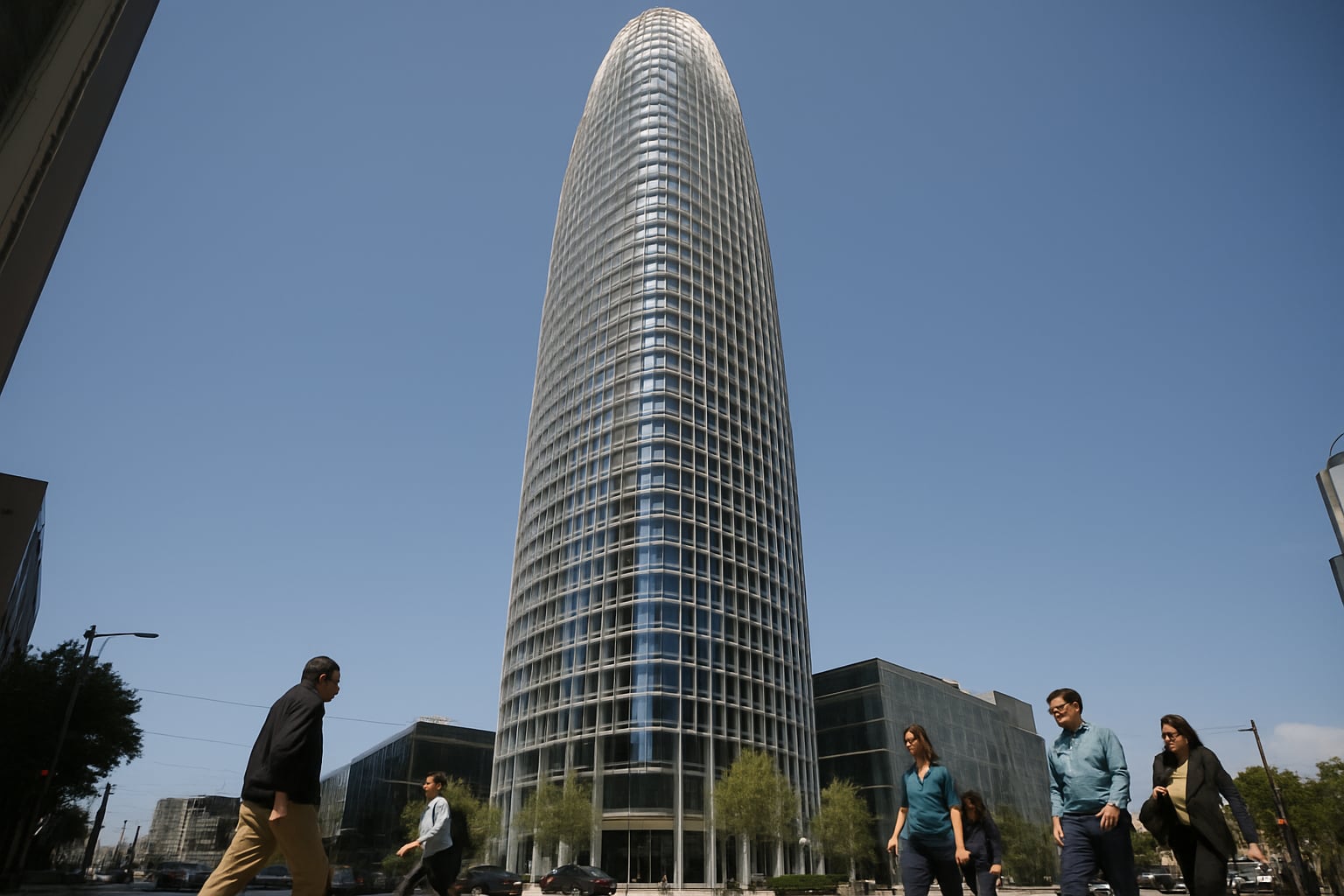
Salesforce has signed a definitive agreement to acquire Braze, a Nasdaq-listed customer engagement platform, for $47.50 per share in cash, as announced in a statement released on Tuesday (20) and filed with the SEC. The transaction values Braze at approximately $5.66 billion in enterprise value. The closing is expected in Salesforce's fiscal year 2028 and is subject to approval from Braze shareholders and regulatory clearances.
Braze will continue operating under its own brand, and CEO and co-founder Bill Magnuson along with his leadership team will join Salesforce, according to the statement. The company reported over 2,700 clients in its last quarterly earnings, selling what Salesforce has been unable to build on its own: real-time messaging triggered via app, email, and push, based on user behavior as it happens.
Why Salesforce Paid a Premium
The target is Marketing Cloud. Salesforce states that it will combine Braze's AI-driven engagement and decision engine with its Marketing Cloud, CRM, and Data 360, its data layer. "Braze was built to transform live customer behavior into personalized engagement at scale," said Patrick Stokes, Salesforce's president of applications and marketing, in the announcement.
Salesforce is purchasing growth in a line that has lost momentum. According to SalesforceBen, a publication specialized in Salesforce, the revenue growth of Marketing Cloud continues to decelerate. Salesforce has indicated that the acquisition is expected to accelerate growth but will dilute profitability in the short term until synergies materialize.
This caution weighs heavily. Since 2023, under pressure from activist funds, Salesforce has been selling the market on margin discipline and share buybacks. Spending $5.66 billion in cash for an asset whose value is in growth rather than profit represents a shift in priorities that management will have to justify quarter by quarter.
Agents Need a Channel
The move makes more sense from the perspective of Agentforce, Salesforce's bet on AI agents. An agent deciding which offer to present to a customer requires two inputs: unified data, promised by Data 360, and a channel capable of executing the decision in milliseconds. Braze is that channel. Without it, Salesforce relied on integrations with third parties, including Braze.
The risk lies in integration. Salesforce will have to fit Braze into four layers simultaneously (Data 360, Customer 360, Marketing Cloud, and Agentforce), and the recent history has shown large acquisitions and lengthy integrations: Slack cost $27.7 billion in 2021 and Tableau, $15.7 billion in 2019. The promise to keep the Braze brand independent is an attempt to avoid this fate, but it also postpones the challenging part.
For clients currently using Braze and Marketing Cloud side by side, the practical question revolves around the roadmap: which product will receive investment, and which will become legacy. Salesforce did not provide details on convergence plans.
The Effect on Clients and Integrators
In the United States, where Braze's largest clients are located, the acquisition is likely to reopen renewal negotiations. Brands that chose Braze to avoid dependence on a single CRM provider now have that provider as the owner. Competitors such as Adobe, Twilio, and Klaviyo gain an immediate commercial argument.
In Europe, the process will undergo scrutiny regarding data. Braze processes end-user behavior in real time, and the merger with Salesforce's CRM database creates a repository that data protection regulators, under GDPR, typically examine closely, especially when the original purpose of data collection changes.
In India and Brazil, the impact is noticeable in consultancies. Accenture, Deloitte, Capgemini, and local integrators maintain large Salesforce practices that thrive on Marketing Cloud implementation projects. A new product in the portfolio means a fresh wave of certifications and migrations, but also uncertainty about what will happen to recent Marketing Cloud deployments if Braze becomes the preferred engine. For the CIO who signed a three-year contract last year, it’s important to ask the vendor, before renewal, which of the two products will be at the center of the 2028 plan.
Sources
- sec.govhttps://www.sec.gov/Archives/edgar/data/0001108524/000119312526425881/d516983dex991.htm
- adweek.comhttps://www.adweek.com/dealroom/salesforce-to-buy-braze-for-566-billion/
- retailtouchpoints.comhttps://www.retailtouchpoints.com/news/salesforce-to-acquire-braze-for-5-6b/621787
- salesforceben.comhttps://www.salesforceben.com/salesforce-acquires-ai-marketing-giant-braze-for-5-66b/